


The Magnitude of Sound: Evaluating the True Wireless Stereo TW Market Size and Its Economic Significance
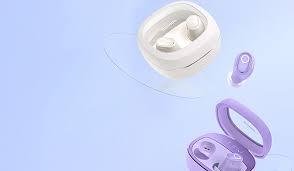
The scale of the wireless audio industry has reached staggering proportions, reflecting a fundamental shift in how people globally interact with digital media. The True Wireless Stereo TW Market has grown from a novelty category to a multi-billion dollar powerhouse that influences the design of smartphones, tablets, and even laptops. This massive size is driven by the sheer volume of units sold annually, as earbuds have become a semi-disposable or frequently upgraded item compared to traditional high-fidelity speakers. The economic impact ripples through the entire supply chain, from the mining of rare earth materials for magnets to the high-tech semiconductor fabs producing the Bluetooth controllers. Assessing the True Wireless Stereo TW Market Size provides a clear picture of the industry's health and its role as a key driver of the broader consumer electronics sector. The influx of capital into this space has accelerated innovation, leading to a rapid decrease in the cost of advanced technologies like MEMS microphones and high-density batteries.
As the market continues to expand, it is also influencing the software and service industries. Streaming platforms are now optimizing their audio quality (lossless and spatial audio) specifically for the TWS user base, while app developers are creating new ways for users to interact with their devices through voice and gesture. The "secondary market" or refurbished sector is also growing, as high-end earbuds maintain their value and environmentally conscious consumers look for sustainable options. However, the sheer size of the market also brings challenges, such as the management of electronic waste and the need for more efficient global logistics to handle the millions of small packages shipped every month. Looking forward, the market size is expected to be further bolstered by the replacement cycle, as users who bought their first pair of TWS buds 2-3 years ago are now looking for upgrades with better battery life and noise cancellation. This creates a self-sustaining cycle of demand that ensures the industry will remain a dominant force in the tech world for the foreseeable future, potentially reaching even greater heights as emerging economies continue to digitize.
Frequently Asked Questions
-
How often do consumers typically upgrade their TWS earbuds? On average, consumers tend to upgrade their TWS earbuds every 2 to 3 years, primarily due to battery degradation and the desire for newer features like improved ANC or better connectivity.
-
Does the TWS market include "fake" or "knock-off" products? The market size is significantly impacted by unbranded or knock-off products, which account for a large volume of sales in certain regions, though they often lack the software support and warranty of major brands.
➤➤➤Explore MRFR’s Related Ongoing Coverage In Semiconductor Industry:
Micro-Electro-Mechanical System Market

 English
 Arabic
 French
 Spanish
 Portuguese
 Turkish
 Dutch
Dutch
 Italiano
 Russian
 Romaian
 Portuguese (Brazil)
 Greek
Greek
